

100 M+
Overweight or obese
individuals in India
100 +
Health risks linked to
obesity globally
Why It Is Important
To Understand Obesity

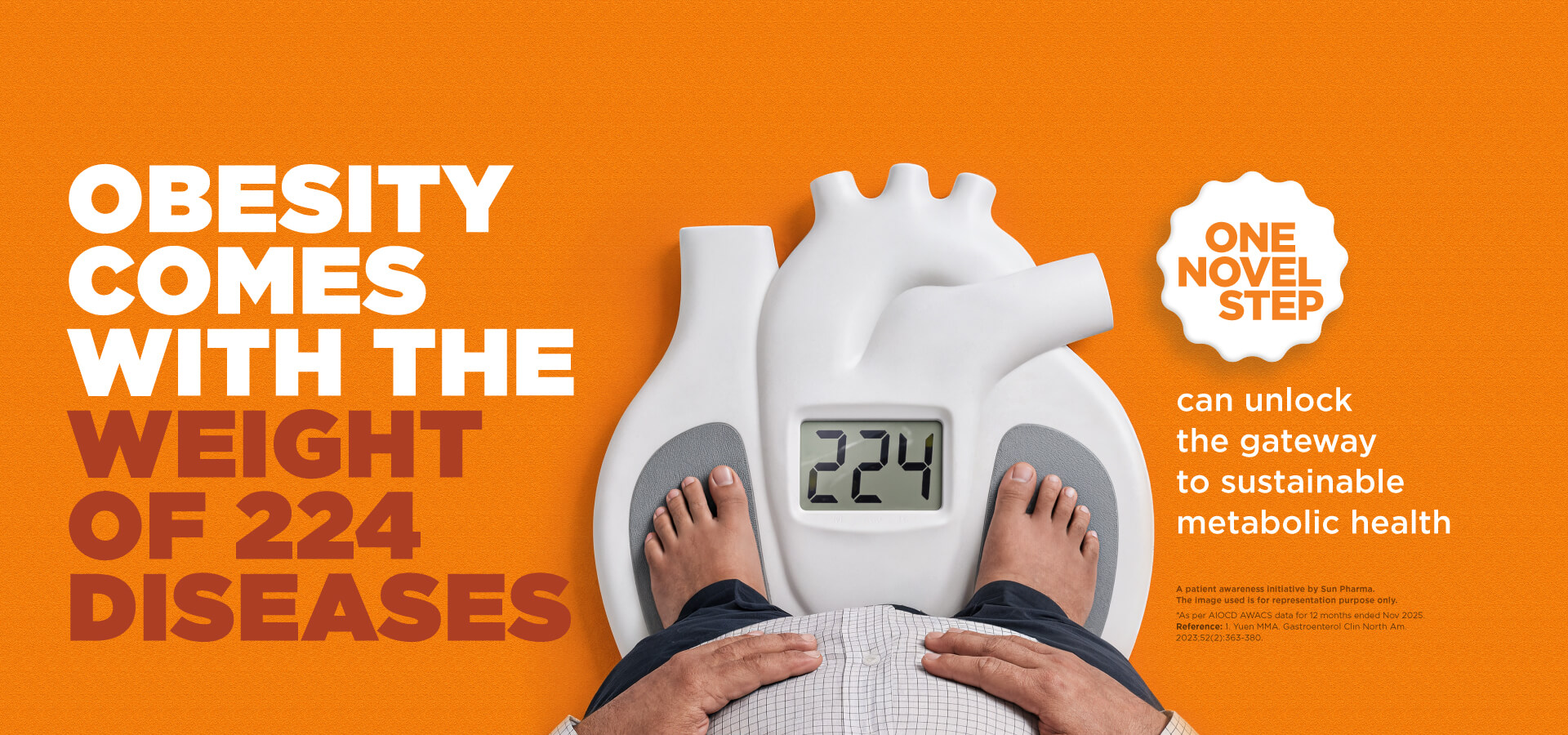
Obesity can affect almost every organ system. Globally, it is known to cause more than 224 health risks. Some major ones include:

Cardiovascular Disease (CVD)

Higher risk of heart attack and stroke

Hypertension

Persistent high blood pressure leads to serious heart diseases

Dyslipidaemia

Unhealthy cholesterol levels that raise heart risk

Diabetes

Strong association with excess weight and insulin resistance

MASLD

Fat accumulation in the liver causing liver damage that may progress overtime

Chronic Kidney Disease (CKD)

Increased stress on kidney function

Osteoarthritis

Joint pain and reduced mobility due to excess weight

PCOS in women

Hormonal imbalance affecting reproductive and metabolic health

BMI Calculator

Take The First Step

Calculate your Body Mass Index (BMI) to understand where you stand. Don't let a BMI in the overweight or obesity range discourage you, but you also should not ignore it. Obesity is a chronic but treatable disease Qualified doctors can guide you to lead a structured lifestyle, provide nutrition support and appropriate course of action for treatment.

Age
Height
Weight

Your BMI Result

0.0
OVERWEIGHT
YOUR CURRENT
BMI 0
Weight 0 Kg
Underweight Healthy Overweight Obese I Obese II Obese III
0 18.5 22.9 24.9 29.9 34.9 40+
Underweight Healthy Overweight Obese I Obese II Obese III
0 18.5 22.9 24.9 29.9 34.9 40+
YOUR TARGET
BMI 22.9
Weight 0 Kg

What Does Your BMI Indicate?

Health risks are more pronounced at this level and may include cardiovascular disease, fatty liver disease, osteoarthritis, kidney concerns and worsening blood sugar control.

Your Weight Management

Early intervention with lifestyle modifications can prevent progression to obesity and reduce future health risks.

Diet

Exercise

Behavioural therapy

Pharmacotherapy

Bariatric surgery

Keep in Mind

BMI is a starting point, not a label. If your BMI falls in the overweight or obesity range, it does not define you. Obesity is a chronic and treatable medical condition. With timely evaluation, consistent support and appropriate intervention, health risks can be reduced and meaningful improvement is possible over time.

Layer 2 1 (1)
Understand Your Health Risks

Obesity affects multiple body systems.

No weight loss 

Higher risk 

Overall Health Impact

Increased risk of diabetes, hypertension, heart disease, fatty liver disease and sleep apnoea

Expected Clinical Improvements 

  • Worsening or persistence of metabolic and cardiovascular risk factors

≈ 5% 

Modest reduction 

Overall Health Impact

Improvement in blood sugar, blood pressure and cholesterol levels 

Conditions Most Likely to Improve 

Type 2 diabetes, PCOS, Dyslipidaemia, Hypertension 

Expected Clinical Improvements 

  • Reduced HbA1c
  • Improved insulin sensitivity
  • Lower triglycerides and LDL
  • Improved ovulation in PCOS 

7–10% 

Moderate reduction 

Overall Health Impact

Reduced risk of diabetes progression, improvement in fatty liver and sleep quality 

Conditions Most Likely to Improve 

Type 2 diabetes, Metabolic syndrome, NAFLD, Sleep apnoea 

Expected Clinical Improvements 

  • Reduced liver fat and inflammation
  • Fewer apnoea episodes
  • Reduced diabetes risk 

10–15% 

Significant reduction 

Overall Health Impact

Better cardiovascular health, reduced medication needs and improved mobility 

Conditions Most Likely to Improve 

Type 2 diabetes, PCOS, Dyslipidaemia, Hypertension 

Expected Clinical Improvements 

  • Significant HbA1c reduction
  • Possible diabetes remission
  • Improved lipid profile and blood pressure 

Approaching Ideal Weight (Sustained) 

Sustained reduction 

Overall Health Impact

Lower long-term risk of chronic disease and improved quality of life 

Conditions Most Likely to Improve 

All metabolic and obesity-related conditions 

Expected Clinical Improvements 

  • Long-term disease prevention,
  • Improved physical function
  • Sleep and overall wellbeing 
No weight loss
Higher
risk
Overall Health Impact

Increased risk of diabetes, hypertension, heart disease, fatty liver disease and sleep apnoea

Expected Clinical Improvements

 Worsening or persistence of metabolic and cardiovascular risk factors,

≈ 5%
Modest
reduction
Overall Health Impact

Improvement in blood sugar, blood pressure and cholesterol levels

Conditions Most Likely to Improve

Type 2 diabetes, PCOS, Dyslipidaemia, Hypertension

Expected Clinical Improvements

 Reduced HbA1c,
 Improved insulin sensitivity
 Lower triglycerides and LDL
 Improved ovulation in PCOS

7–10%
Moderate
reduction
Overall Health Impact

Reduced risk of diabetes progression, improvement in fatty liver and sleep quality

Conditions Most Likely to Improve

Type 2 diabetes, Metabolic syndrome, NAFLD, Sleep apnoea

Expected Clinical Improvements

 Reduced liver fat and inflammation
 Fewer apnoea episodes
 Reduced diabetes risk

10–15%
Significant
reduction
Overall Health Impact

Better cardiovascular health, reduced medication needs and improved mobility

Conditions Most Likely to Improve

Type 2 diabetes, PCOS, Dyslipidaemia, Hypertension

Expected Clinical Improvements

 Significant HbA1c reduction
 Possible diabetes remission
 Improved lipid profile and blood pressure

Approaching ideal weight
Sustained
reduction
Overall Health Impact

Lower long-term risk of chronic disease and improved quality of life

Conditions Most Likely to Improve

All metabolic and obesity-related conditions

Expected Clinical Improvements

 Long-term disease prevention,
 Improved physical function
 Sleep and overall wellbeing

Frequently Asked Questions

Get answers to common questions about obesity, BMI, and weight management

Sun Pharma’s vision is “Reaching People And Touching Lives Globally As A Leading Provider of Valued Medicines,” driven by core values like quality, innovation and patient trust, aiming for global leadership by offering accessible, high-quality and affordable treatments through research, strategic expansion, and sustainable practices.

Treatment options are selected based on BMI, health conditions and individual needs. Weight loss responses vary from person to person. Lifestyle changes (healthier eating habits, regular physical activity, adequate sleep, stress management) remain the foundation, while medical therapies can offer additional support when required.

Not everyone with overweight or obesity need medicines or procedures. In many cases, structured lifestyle changes (healthier eating habits, regular physical activity, adequate sleep, stress management) can lead to meaningful health improvement. However, as BMI increases or when obesity-related conditions develop, additional medical support or medical therapies may be required.

For South Asian populations, health risks tend to appear at lower BMI levels. Conditions like diabetes, hypertension, heart failure appear much earlier in younger people in India as compared to western population. That is why BMI threshold at which treatment is to be initiated differs from global standards.

With the help of Body Mass Index (BMI) Calculator you can understand where you currently stand. Enter details like your gender, age, height and weight to understand your category – underweight, healthy weight, overweight or obese . Please consult a doctor if your result shows you as overweight or obese.

Obesity extends beyond physical appearance; it disrupts internal body functions and raises the risk of numerous chronic illnesses over time. Even modest weight loss can make a measurable difference. Research shows that reducing body weight by just 5–10% can improve metabolic health, lower disease risk, may reduce existing anti diabetic or anti hypertension medication dependence, reduce medication dependence and enhance overall quality of life.